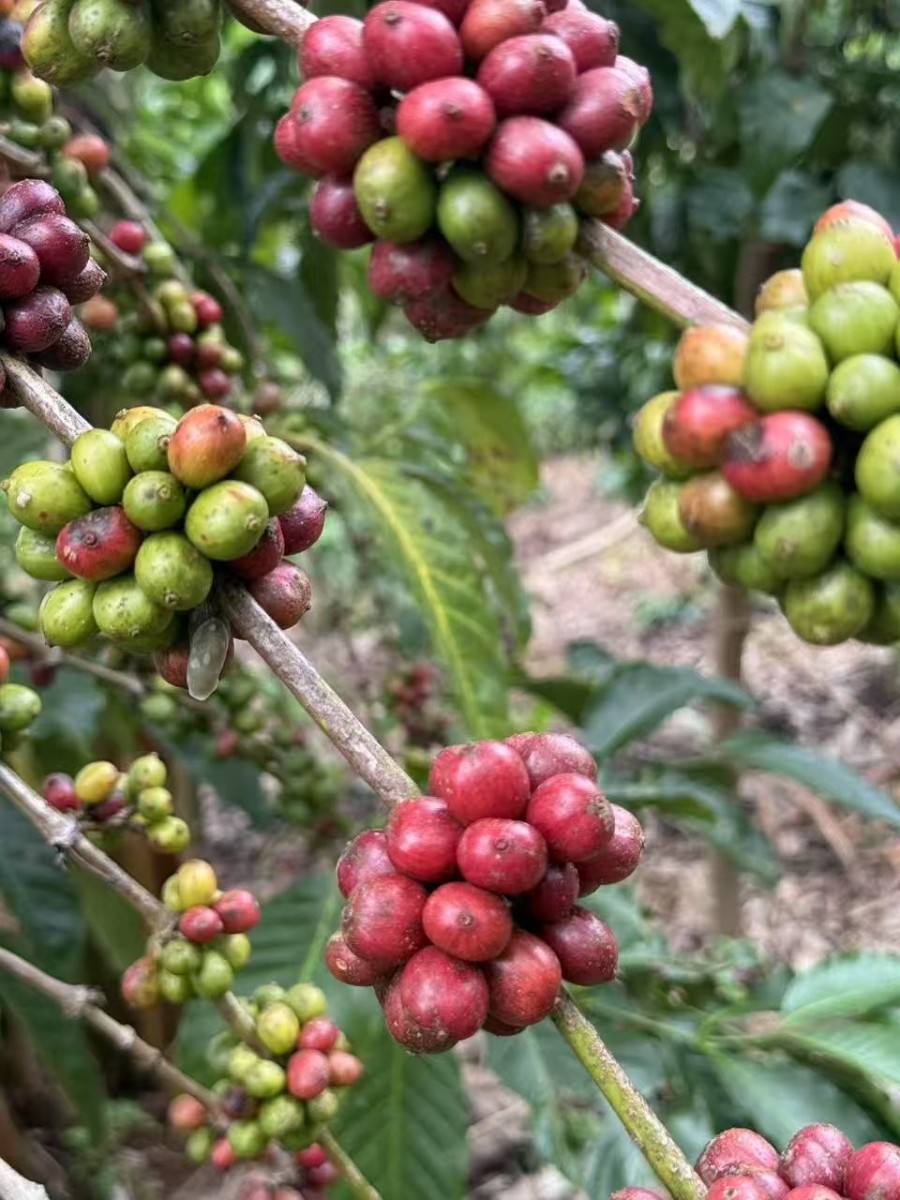
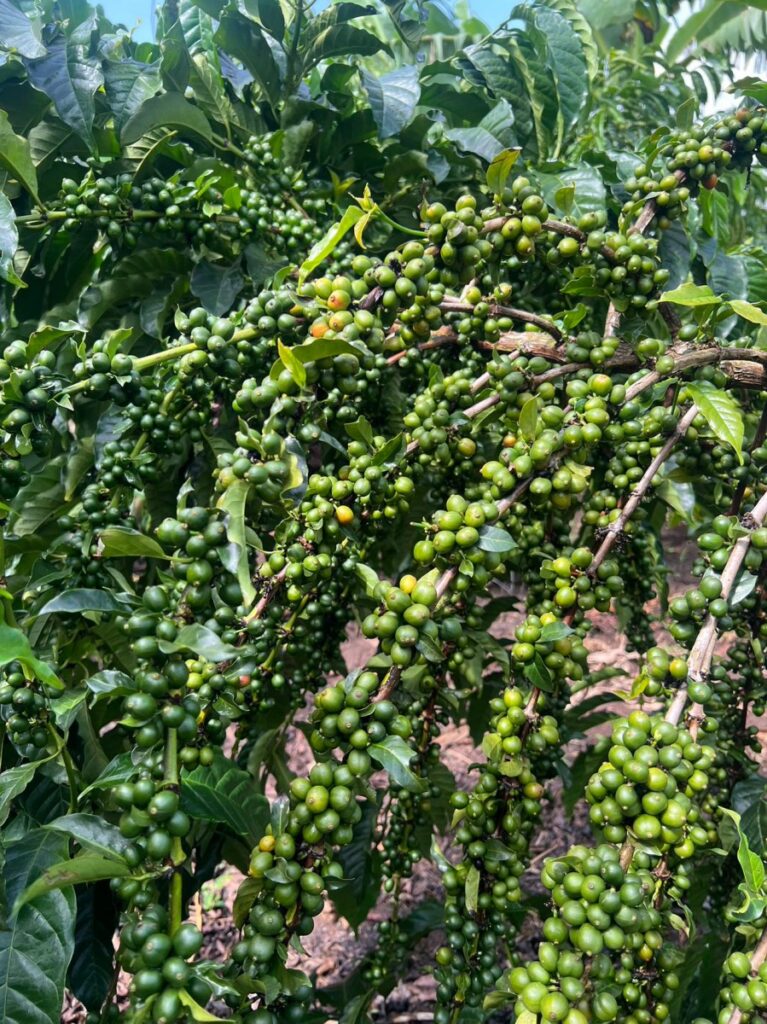
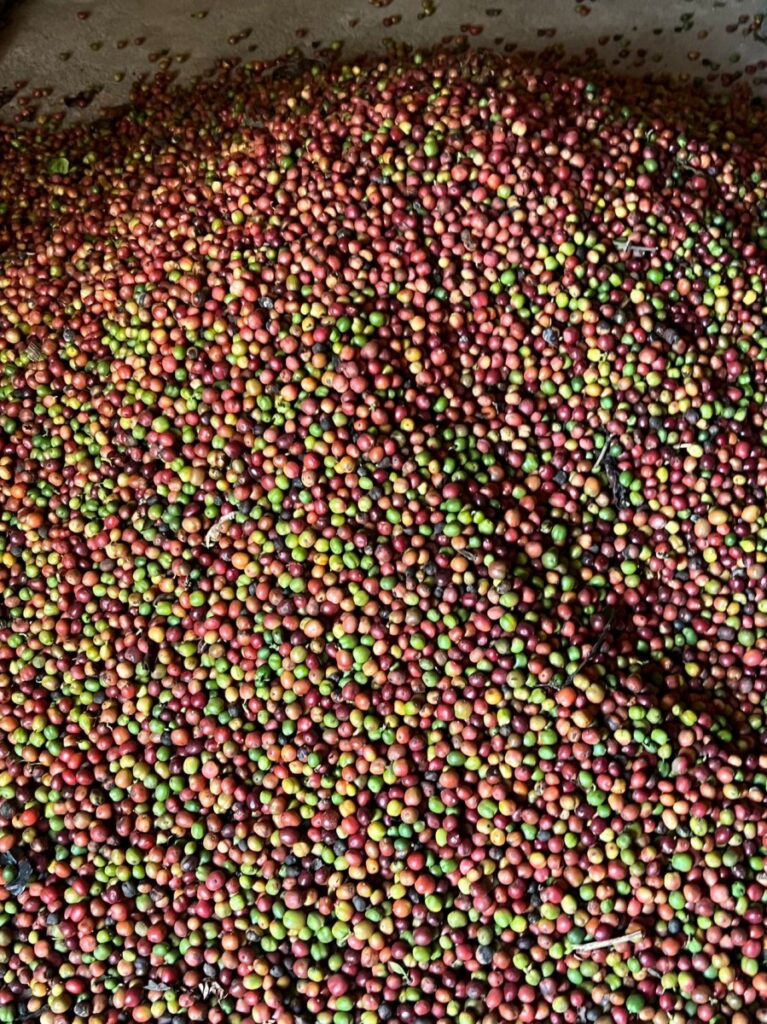
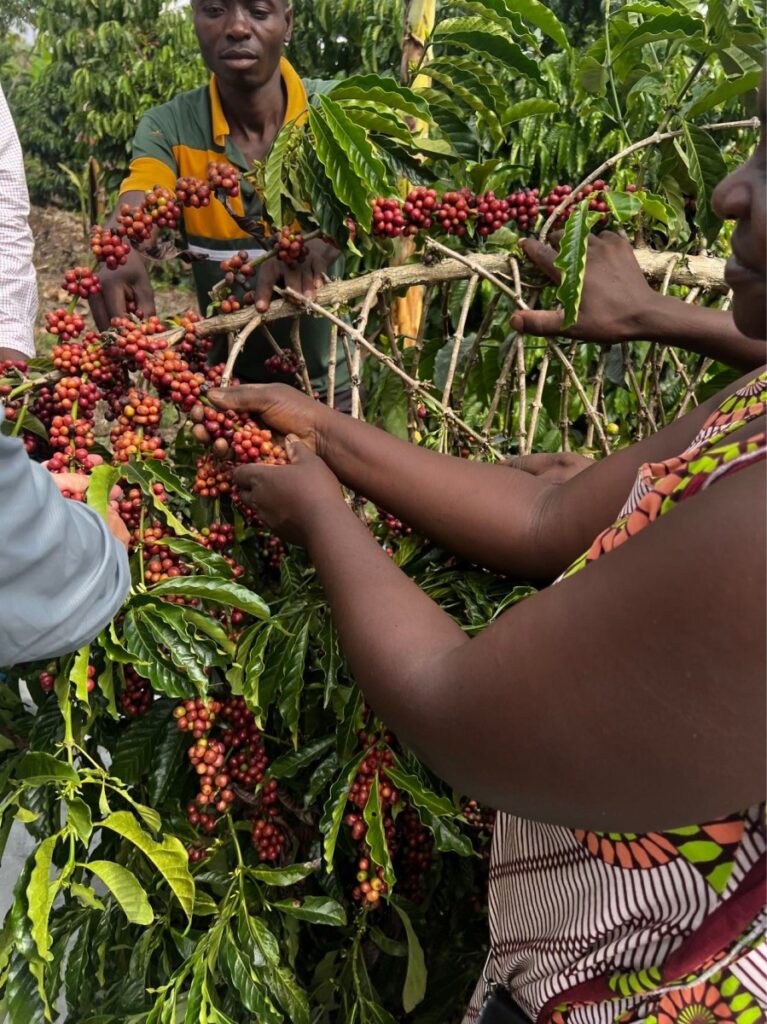
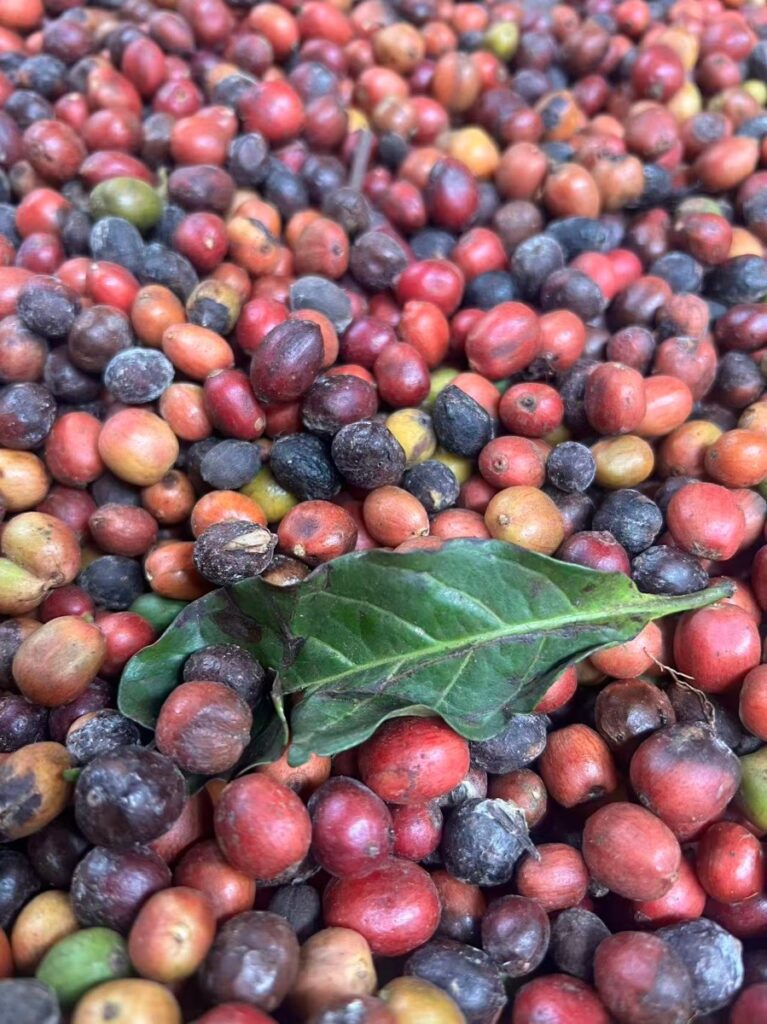
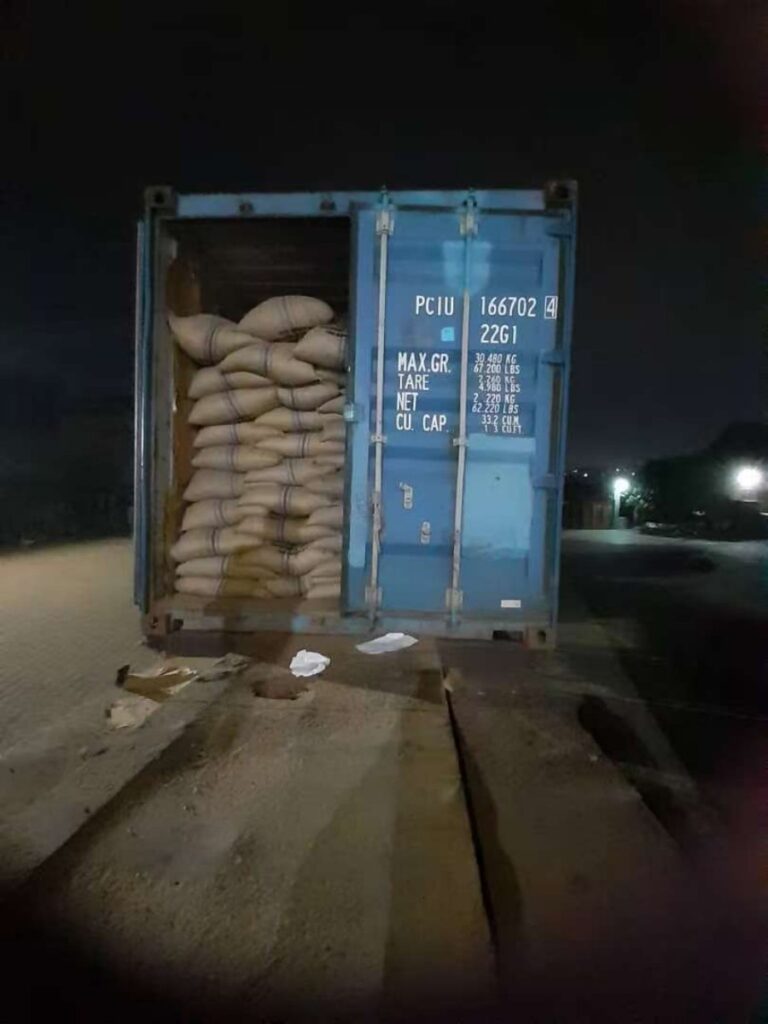
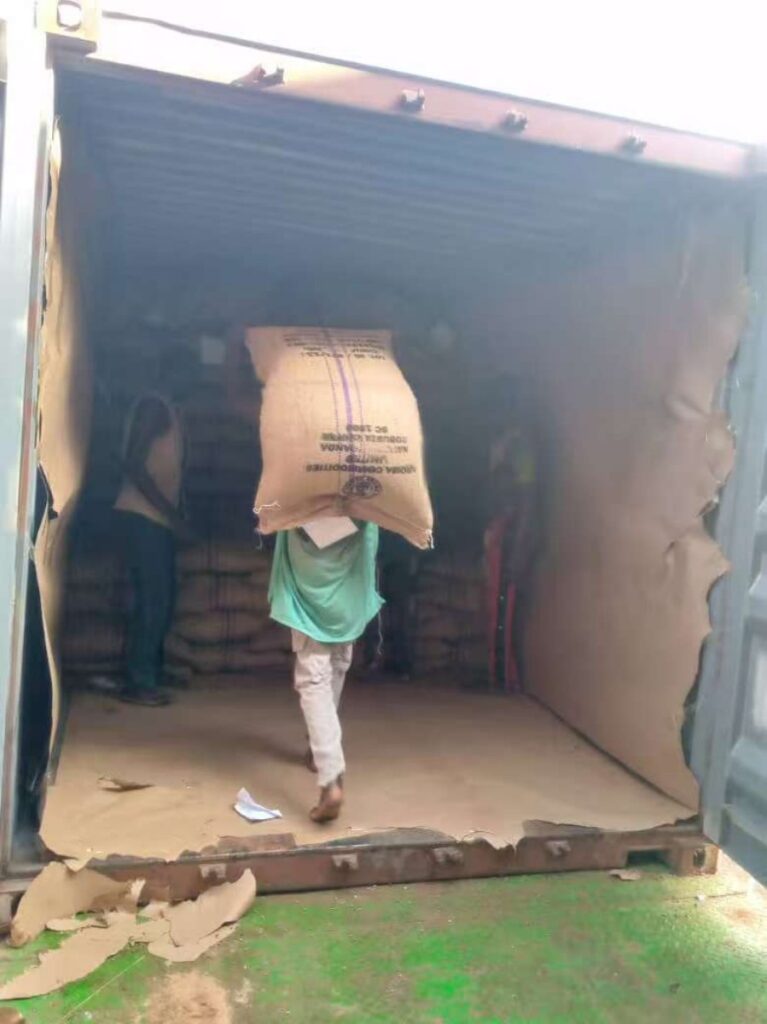
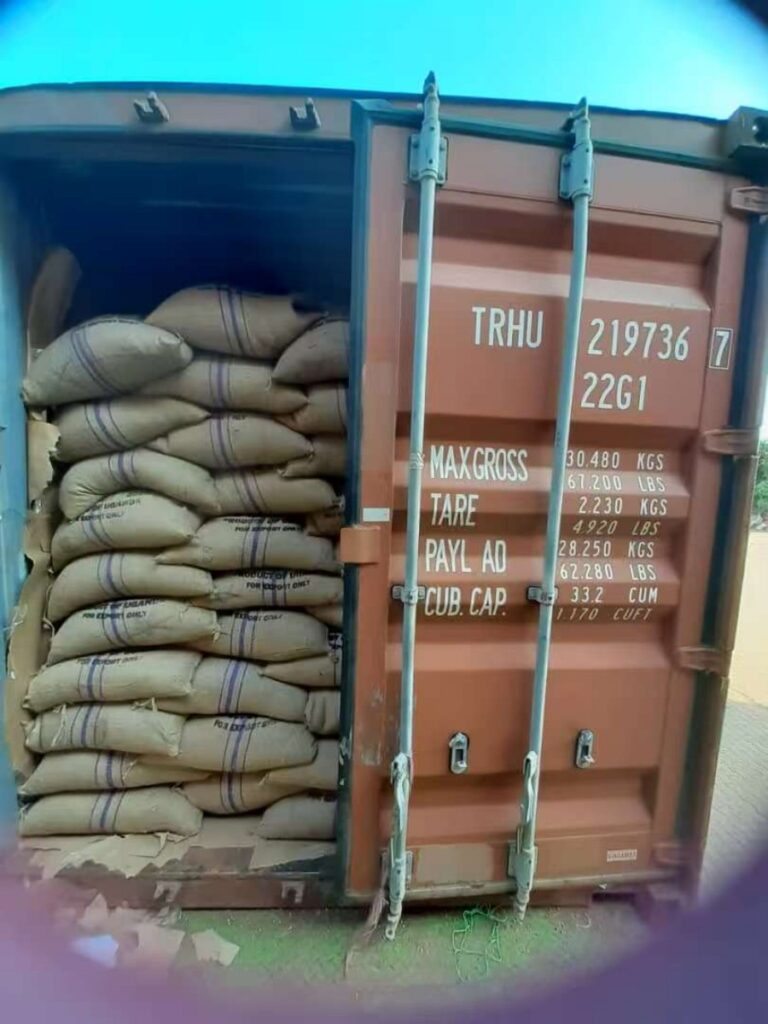
The company works closely with local coffee farmers, providing technical support and market information to help improve the level of coffee cultivation and initial processing, ensuring high-quality products from the source. At the same time, with a sound quality control system and optimized supply chain management, the company has achieved a stable monthly shipment volume of 30 containers, successfully expanding into the international market, especially in the Chinese market, and winning a good reputation. It is expected that the annual production of coffee beans in the company will reach 20000 tons.
Excellent selection, delivering extraordinary quality "- this is our commitment to customers and our eternal pursuit.
We are steadily transforming from a successful coffee trader to a comprehensive coffee enterprise that integrates planting, procurement, processing, and export. In the future, we will continue to strive to bring high-quality coffee from Uganda to global consumers and continue to create employment and economic value for local communities.
Video source: UCDA website
Introduction to the basic situation of coffee in Uganda
1、 Production and export of coffee in Uganda
Uganda is the second largest coffee producing country in Africa after Ethiopia, with an annual output of 460000 tons of coffee. Among them, it is famous for its production of Robusta coffee and Arabica coffee.
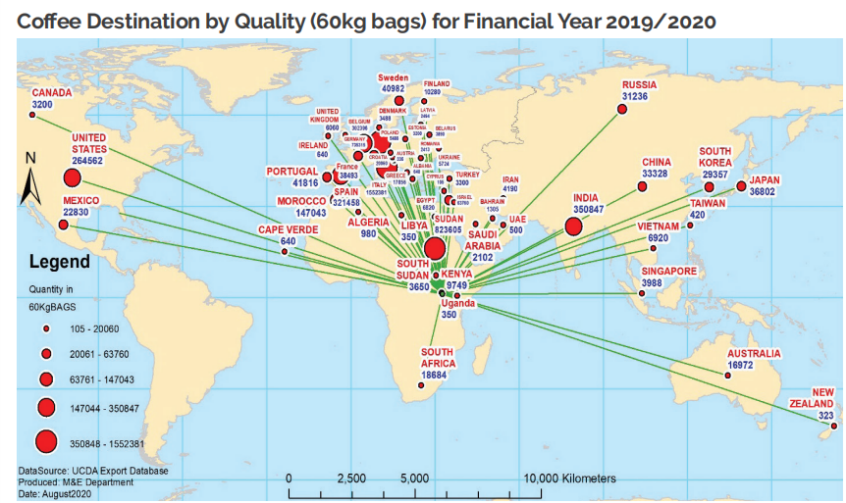
In the fiscal year 2019-2020, Uganda exported 5.11 million bags of coffee worth 496 million US dollars. In the fiscal year 2020-2021, exports exceeded 6 million bags, with an export value of 559 million US dollars, setting a 30-year high export record.
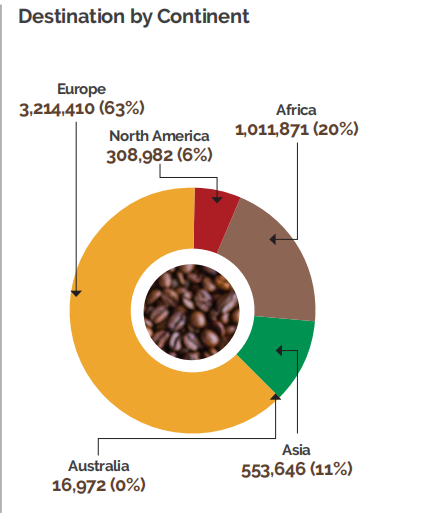
Consumption is about 20%, with Asia accounting for a relatively small proportion of about 11%. According to our research and communication, Ugandan coffee merchants have a strong desire to enter the Chinese market.
2、 Introduction to Coffee Harvesting and Processing Quality in Uganda
There are Robusta and Arabica coffee varieties in Uganda. Robusta has the highest yield and is harvested throughout the year. The specific harvest season is listed in the table below:
Region/Month
October
November
December
January
February
March
April
May
June
July
August
September
Central
Main production season (Robasta)
By production season (Robasta)
Masaka
By production season (Robasta)
Main production season (Robasta)
East
Main production season (Robasta)
By production season (Robasta)
Bujisu/Sebei
Main production season (Arabica)
By production season (Arabica)
West
By production season (Robasta)
Main production season (Robasta)
By production season (Arabica)
Main production season (Arabica)
White Nile
Main production season (Arabica)
By production season (Arabica)
After harvesting mature coffee cherries in Uganda, there are two main primary processing techniques to obtain clean coffee beans.
1. Wet processing
Remove pulp and mucus from coffee fruits, and clean them to obtain a clean wet parchment shell; Dry parchment coffee beans; Remove the parchment and film by removing the shell, and then grade to obtain the desired clean coffee beans.
Wet processing is mainly used for Arabica coffee production in Uganda's high-altitude (over 1500 meters above sea level) areas in the eastern Mount Elgon region, northern highland regions, and southwestern Kisoro and Lukongiri mountain areas. The coffee produced by this method is usually described as "light flavored coffee" (coffee is classified as mild).
2. Dry processing
Dry cherry coffee beans (usually in sunlight); Remove dry coverings (shells) during mechanical operation (shelling).
Coffee produced through dry processing is described as' strong flavored coffee '. These are mainly Robusta grown around the Victoria Lake Basin, which account for approximately 85% of Uganda's total annual production. Wet processed (washed) coffee is usually superior to dry processed coffee in terms of appearance and cupping.
After initial processing, coffee beans still need to undergo secondary processing.
1. Pre cleaning and screening (screening out wet beans with higher density)
The quality of standard quality coffee collected from coffee farmers varies greatly depending on their storage and processing techniques. Coffee is usually wet (humidity>14%) and contains unrelated substances such as stones, husks, etc.
Standard quality coffee will go through a pre filter to remove impurities that are usually lighter than high-quality coffee beans. After being dried in a dryer, wet coffee beans are sent to a stone removal machine to remove impurities such as dense stones. Then enter the screening machine to eliminate coffee beans with higher density.
2. Graded by size
After cleaning and initial screening, the coffee is sent to a classifier, which usually consists of a box containing screens of different mesh sizes arranged in descending order. Through vibration screening, the coffee beans are classified and screened based on their external dimensions.
3. Weight based sorting
After size screening, although the beans are the same size, their weight may differ due to inconsistent fruit maturity, especially when harvesting unripe cherries. Coffee beans also need to undergo density level separation on a gravity table.
4. Packaging
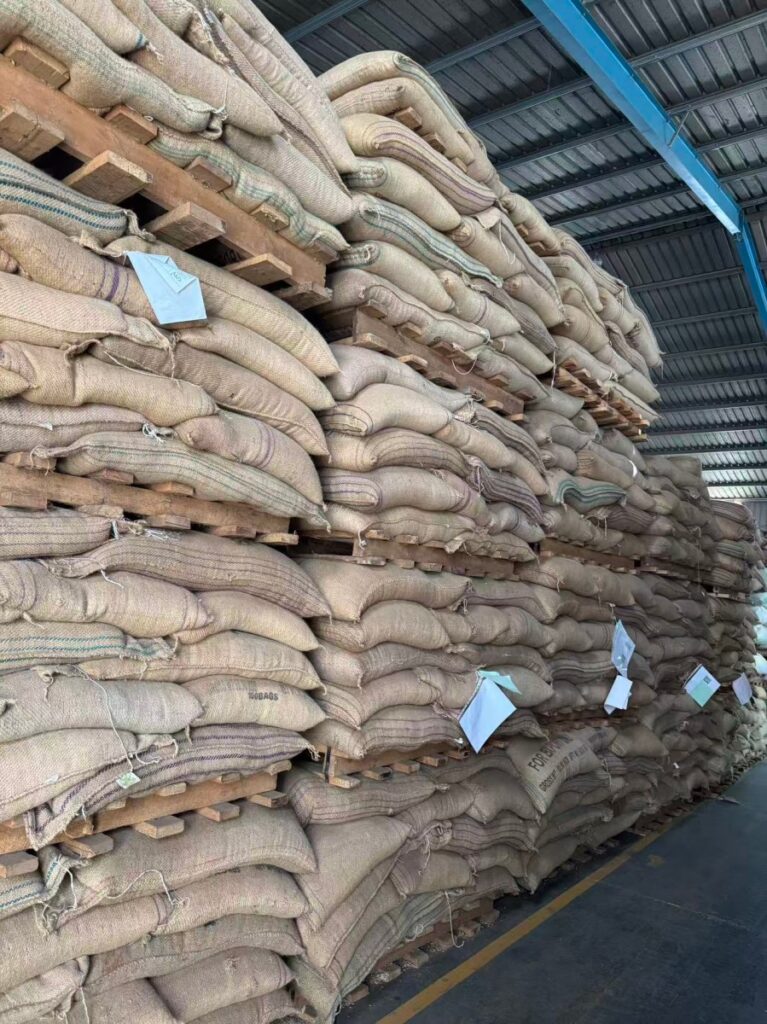
After screening, the coffee beans will be packaged in yellow burlap bags as outbound/export packaging, with each bag weighing 60 kilograms, and loaded into a container for transportation to the port.